-
 Man City smash Palace to fire title warning, Villa extend streak
-
Arshdeep helps India beat South Africa to take T20 series lead

-
 Zelensky meets US envoys in Berlin for talks on ending Ukraine war
-
'Outstanding' Haaland stars in win over Palace to fire Man City title charge

-
 Man City smash Palace to fire title warning, Villa extend winning run
-
Napoli stumble at Udinese to leave AC Milan top in Serie A

-
 No contact with Iran Nobel winner since arrest: supporters
-
Haaland stars in win over Palace to fire Man City title charge

-
 French PM urged to intervene over cow slaughter protests
-
'Golden moment' as Messi meets Tendulkar, Chhetri on India tour

-
 World leaders express horror, revulsion at Bondi beach shooting
-
Far right eyes comeback as Chile presidential vote begins

-
 Marcus Smith shines as Quins thrash Bayonne
-
Devastation at Sydney's Bondi beach after deadly shooting

-
 AC Milan held by Sassuolo in Serie A
-
Person of interest in custody after deadly shooting at US university

-
 Van Dijk wants 'leader' Salah to stay at Liverpool
-
Zelensky in Berlin for high-stakes talks with US envoys, Europeans

-
 Norway's Haugan powers to Val d'Isere slalom win
-
Hong Kong's oldest pro-democracy party announces dissolution

-
 Gunmen kill 11 at Jewish festival on Australia's Bondi Beach
-
Zelensky says will seek US support to freeze front line at Berlin talks

-
 Man who ploughed car into Liverpool football parade to be sentenced
-
Wonder bunker shot gives Schaper first European Tour victory

-
 Chile far right eyes comeback as presidential vote opens
-
Gunmen kill 11 during Jewish event at Sydney's Bondi Beach

-
 Robinson wins super-G, Vonn 4th as returning Shiffrin fails to finish
-
France's Bardella slams 'hypocrisy' over return of brothels

-
 Ka Ying Rising hits sweet 16 as Romantic Warrior makes Hong Kong history
-
Shooting at Australia's Bondi Beach kills nine

-
 Meillard leads after first run in Val d'Isere slalom
-
Thailand confirms first civilian killed in week of Cambodia fighting

-
 England's Ashes hopes hang by a thread as 'Bazball' backfires
-
Police hunt gunman who killed two at US university

-
 Wemby shines on comeback as Spurs stun Thunder, Knicks down Magic
-
McCullum admits England have been 'nowhere near' their best

-
 Wembanyama stars as Spurs stun Thunder to reach NBA Cup final
-
Cambodia-Thailand border clashes enter second week

-
 Gunman kills two, wounds nine at US university
-
Green says no complacency as Australia aim to seal Ashes in Adelaide

-
 Islamabad puts drivers on notice as smog crisis worsens
-
Higa becomes first Japanese golfer to win Asian Tour order of merit

-
 Tokyo-bound United plane returns to Washington after engine fails
-
Deja vu? Trump accused of economic denial and physical decline

-
 Vietnam's 'Sorrow of War' sells out after viral controversy
-
China's smaller manufacturers look to catch the automation wave

-
 For children of deported parents, lonely journeys to a new home
-
Hungary winemakers fear disease may 'wipe out' industry

-
 Chile picks new president with far right candidate the front-runner
-
German defence giants battle over military spending ramp-up

NYSE - LSE
Ishiba's Plan to Change Power in Asia
Is Japan Preparing for War? Ishiba's Vision to Redefine Power in Asia
In a world where geopolitical tensions are intensifying, Japan finds itself at a crossroads. At the centre of this discussion is Shigeru Ishiba, a prominent Japanese politician and former defence minister, whose bold proposals to reshape Japan's security policies are sparking widespread debate. Is Japan merely safeguarding its sovereignty, or is it actively preparing for conflict?
A Paradigm Shift in Japanese Defence
Since the end of World War II, Japan has adhered strictly to its pacifist constitution, particularly Article 9, which renounces the use of war as a means of settling international disputes. However, as global power dynamics evolve and regional threats grow, Ishiba and other leaders argue that Japan must modernise its approach to defence.
Ishiba has proposed a significant expansion of Japan’s military capabilities, including increased defence spending, the development of advanced technologies such as missile defence systems, and a shift towards a proactive deterrence strategy. These measures, he asserts, are necessary to counter the rising influence of China and North Korea's nuclear threat.
The Strategic Context: Asia in Flux
Japan’s strategic positioning in Asia has long been a delicate balancing act. With China's growing assertiveness in the South China Sea, Taiwan Strait, and East China Sea, Ishiba’s call for a stronger Japanese military aims to counterbalance Beijing’s influence. North Korea’s missile tests and unpredictable behaviour further exacerbate the urgency for a robust Japanese defence policy.
Ishiba’s proposals align with the broader trend of Indo-Pacific nations strengthening security alliances, including Japan's growing collaboration with the United States, Australia, and India under the Quadrilateral Security Dialogue (Quad). These partnerships are seen as essential to maintaining regional stability and ensuring a free and open Indo-Pacific.
Domestic and International Reactions
Domestically, Ishiba’s vision has faced both support and opposition. Proponents argue that his policies are pragmatic and essential for Japan’s survival in an increasingly volatile region. Critics, however, worry that such moves could escalate tensions and provoke adversaries. The debate also revives questions about the reinterpretation of Japan’s pacifist constitution and its implications for national identity.
On the international stage, Ishiba’s stance has drawn mixed reactions. Allies like the United States welcome Japan’s increased commitment to regional security, while China and North Korea view these developments as provocative and destabilising.
Preparing for Conflict or Preserving Peace?
Ishiba has repeatedly emphasised that his aim is not to prepare for war but to prevent it. He argues that a strong deterrent capability is the best way to avoid conflict and maintain peace in the region. However, critics contend that expanding Japan's military footprint could trigger an arms race and inadvertently increase the likelihood of confrontation.
The Road Ahead
As Japan navigates these turbulent waters, Ishiba’s vision represents a pivotal moment in the country’s post-war history. Whether his proposals will redefine Japan’s role in Asia or exacerbate regional tensions remains to be seen. What is certain, however, is that Japan’s future decisions will have profound implications not only for its own security but for the broader balance of power in Asia.
As the world watches, the question remains: Is Japan preparing for war, or is it merely adapting to a new era of uncertainty? In answering this question, the nation must grapple with the delicate balance between safeguarding its future and upholding the ideals that have defined its modern identity.

How important is sustainable development?
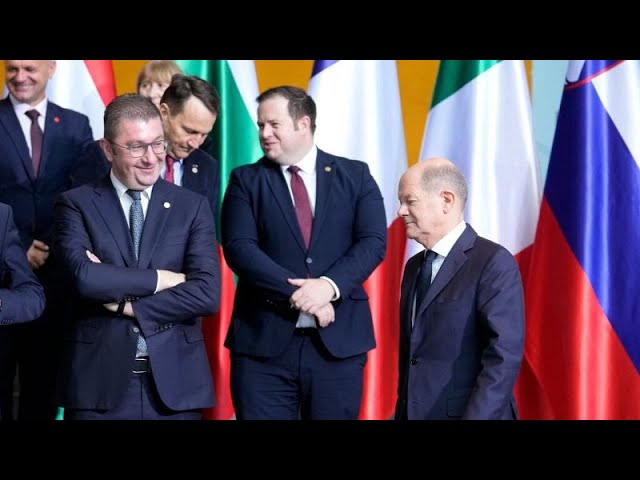
Berlin: EU-Summit of western Balkan heads of state

Putin's War Will Go Bankrupt if the Oil Prices Drop

Germany: The fight against economic migrants
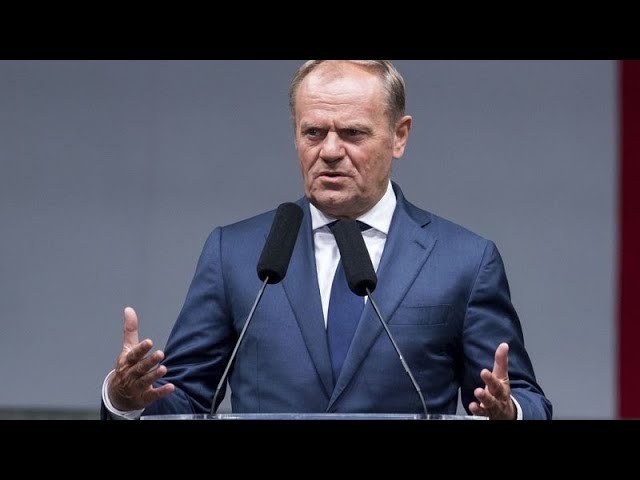
Polish PM and the danger of asylum seekers
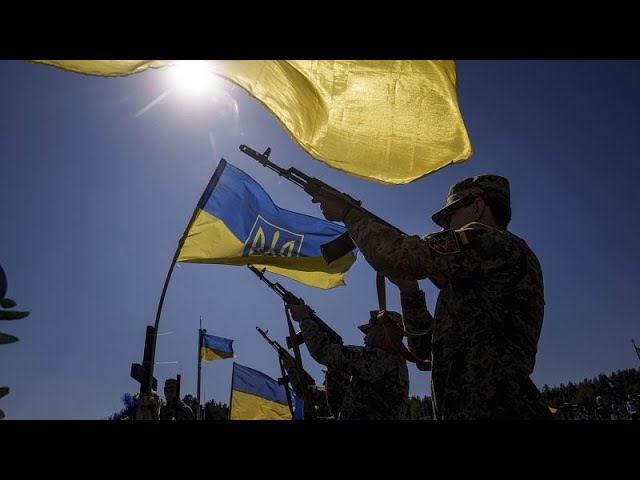
Ukraine: Recruiters searched Kyiv venues

EU: Austrian elections shake Establishment
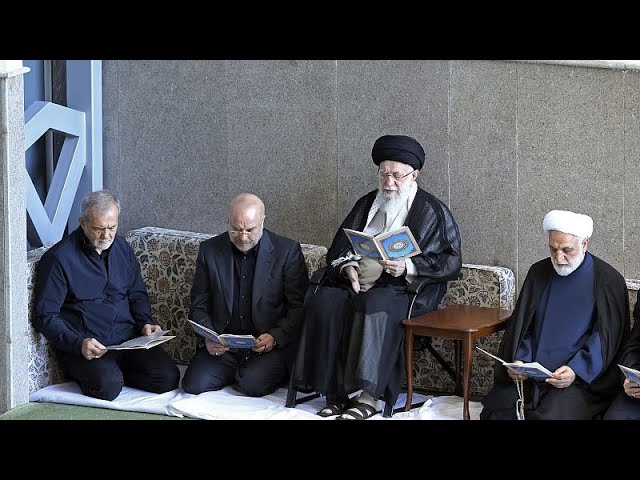
Terrorist state Iran: ‘We are ready to attack Israel again’

EU: Greenpeace warns of dying farms

EU: Tariffs on all Chinese electric Cars
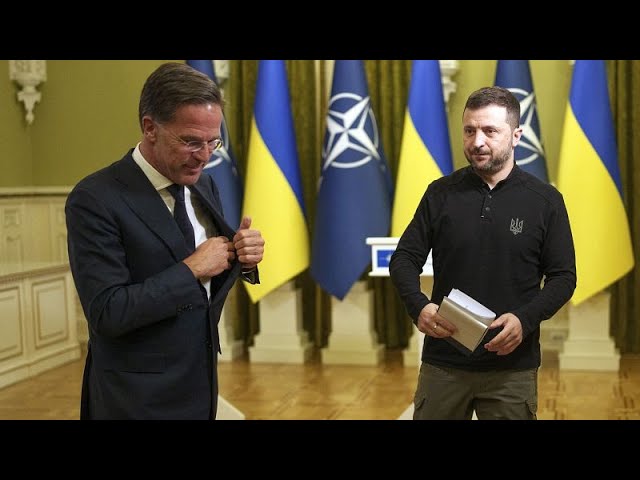
Zelenskyy: ‘What worked in Israel work also in Ukraine’