-
 Devastation at Sydney's Bondi beach after deadly shooting
-
AC Milan held by Sassuolo in Serie A

-
 Person of interest in custody after deadly shooting at US university
-
Van Dijk wants 'leader' Salah to stay at Liverpool

-
 Zelensky in Berlin for high-stakes talks with US envoys, Europeans
-
Norway's Haugan powers to Val d'Isere slalom win

-
 Hong Kong's oldest pro-democracy party announces dissolution
-
Gunmen kill 11 at Jewish festival on Australia's Bondi Beach

-
 Zelensky says will seek US support to freeze front line at Berlin talks
-
Man who ploughed car into Liverpool football parade to be sentenced

-
 Wonder bunker shot gives Schaper first European Tour victory
-
Chile far right eyes comeback as presidential vote opens

-
 Gunmen kill 11 during Jewish event at Sydney's Bondi Beach
-
Robinson wins super-G, Vonn 4th as returning Shiffrin fails to finish

-
 France's Bardella slams 'hypocrisy' over return of brothels
-
Ka Ying Rising hits sweet 16 as Romantic Warrior makes Hong Kong history

-
 Shooting at Australia's Bondi Beach kills nine
-
Meillard leads after first run in Val d'Isere slalom

-
 Thailand confirms first civilian killed in week of Cambodia fighting
-
England's Ashes hopes hang by a thread as 'Bazball' backfires

-
 Police hunt gunman who killed two at US university
-
Wemby shines on comeback as Spurs stun Thunder, Knicks down Magic

-
 McCullum admits England have been 'nowhere near' their best
-
Wembanyama stars as Spurs stun Thunder to reach NBA Cup final

-
 Cambodia-Thailand border clashes enter second week
-
Gunman kills two, wounds nine at US university

-
 Green says no complacency as Australia aim to seal Ashes in Adelaide
-
Islamabad puts drivers on notice as smog crisis worsens

-
 Higa becomes first Japanese golfer to win Asian Tour order of merit
-
Tokyo-bound United plane returns to Washington after engine fails

-
 Deja vu? Trump accused of economic denial and physical decline
-
Vietnam's 'Sorrow of War' sells out after viral controversy

-
 China's smaller manufacturers look to catch the automation wave
-
For children of deported parents, lonely journeys to a new home

-
 Hungary winemakers fear disease may 'wipe out' industry
-
Chile picks new president with far right candidate the front-runner

-
 German defence giants battle over military spending ramp-up
-
Knicks reach NBA Cup final as Brunson sinks Magic

-
 Quarterback Mendoza wins Heisman as US top college football player
-
Knicks reach NBA Cup final with 132-120 win over Magic

-
 Campaigning starts in Central African Republic quadruple election
-
NBA Cavs center Mobley out 2-4 weeks with left calf strain

-
 Tokyo-bound United flight returns to Dulles airport after engine fails
-
Hawks guard Young poised to resume practice after knee sprain

-
 Salah back in Liverpool fold as Arsenal grab last-gasp win
-
Raphinha extends Barca's Liga lead, Atletico bounce back

-
 Glasgow comeback upends Toulouse on Dupont's first start since injury
-
Two own goals save Arsenal blushes against Wolves

-
 'Quality' teens Ndjantou, Mbaye star as PSG beat Metz to go top
-
Trump vows revenge after troops in Syria killed in alleged IS ambush

NYSE - LSE
The Roman Empire and its downfall?
The fall of the Roman Empire has fascinated historians, political analysts, and history enthusiasts for centuries. Once an unparalleled power that stretched across much of Europe, North Africa, and the Middle East, Rome eventually succumbed to a complicated web of internal weaknesses and external pressures. But what factors most decisively contributed to its downfall?
Overextension and Resource Strain
One prominent reason for the Empire’s decline lies in its vast territorial expanse. As the Empire expanded, maintaining military and administrative control over far-flung provinces became an immense challenge. Garrisoning remote frontiers and sustaining essential infrastructure, such as roads and aqueducts, placed enormous financial and logistical burdens on the imperial administration. Over time, these obligations led to heightened taxation and social unrest, eroding the Empire’s stability from within.
Political Instability and Weak Leadership
Another fundamental weakness was Rome’s inability to establish a consistent and resilient political structure. Frequent coups, civil wars, and assassinations destabilised the imperial government. Short-lived emperors were often more focused on consolidating power and eliminating rivals than enacting long-term reforms. This lack of continuity in governance engendered bureaucratic inefficiency and thwarted coherent policymaking, leaving Rome ill-prepared to address growing internal and external threats.
Economic Decline and Hyperinflation
Economic disruptions also played a pivotal role. As wars grew costlier, silver coinage was devalued repeatedly, leading to rampant inflation. Confidence in the currency eroded, triggering a cycle of price increases and diminishing trade. Many farmers abandoned their land, amplifying rural depopulation and further undermining agricultural productivity. Trade routes, once the arteries of Roman commerce, became perilous, stifling economic growth and rendering the state increasingly vulnerable.
The Rise of External Threats
Simultaneously, external forces took advantage of Rome’s weakening grip. Germanic tribes and other barbarian groups pressed against the Empire’s borders, sensing the growing fragility of Roman power. Although Rome had once managed to integrate or repel these incursions, mounting economic strain and military overextension hindered an effective response. Over time, repeated invasions culminated in the sacking of Rome by the Visigoths in 410 CE and the eventual deposition of the last Western Roman Emperor in 476 CE.
Social and Cultural Transformation
Lastly, shifting social and cultural dynamics played a role. Traditional Roman values of civic duty and loyalty to the state gradually gave way to localised loyalties and a reliance on mercenary forces. The rise of Christianity, while not the sole cause of the Empire’s decline, reoriented cultural and political power away from older Roman institutions and towards the Church, reducing the emperors’ influence and the old civic order’s authority.
Conclusion No single event or factor can wholly explain the collapse of the Roman Empire. Rather, it was the convergence of overextension, economic instability, political turmoil, and shifting social foundations that led to Rome’s ultimate disintegration. While debates on the precise causes continue, most historians agree that the empire’s downfall underscores the fragile balance between power, governance, and societal cohesion—an enduring lesson for any ambitious political system.
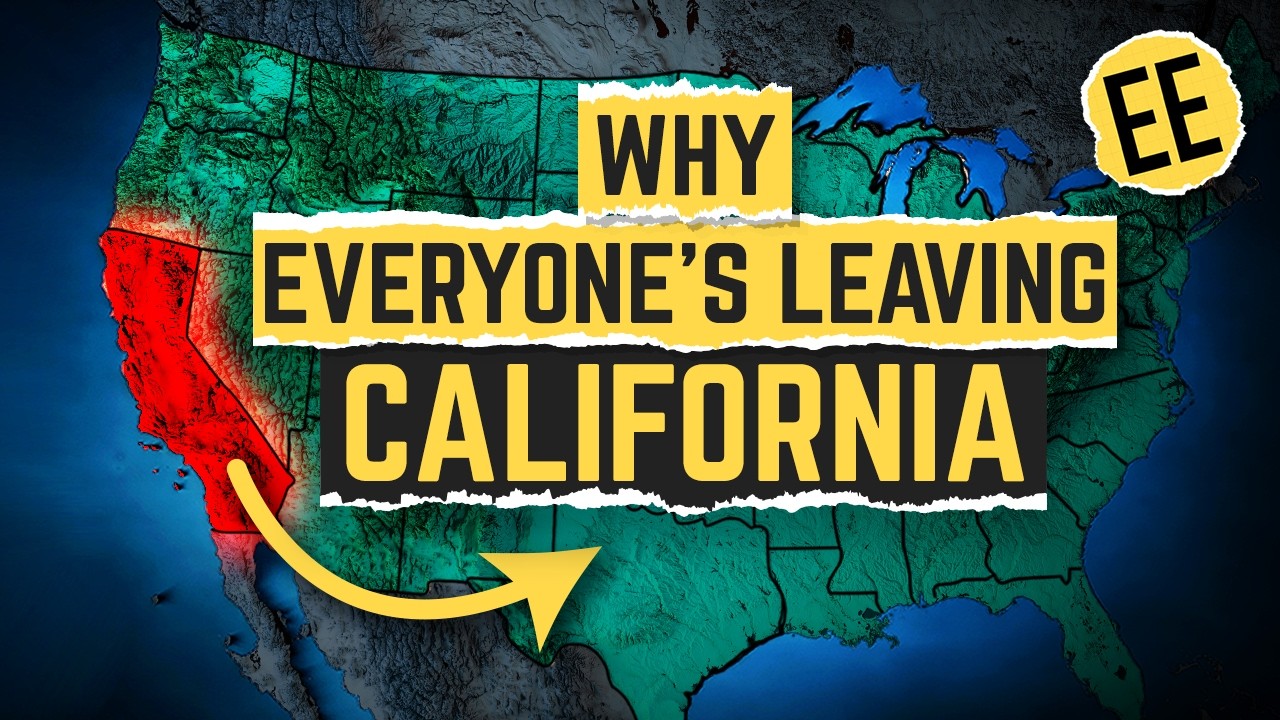
California's Economy: Not Broken
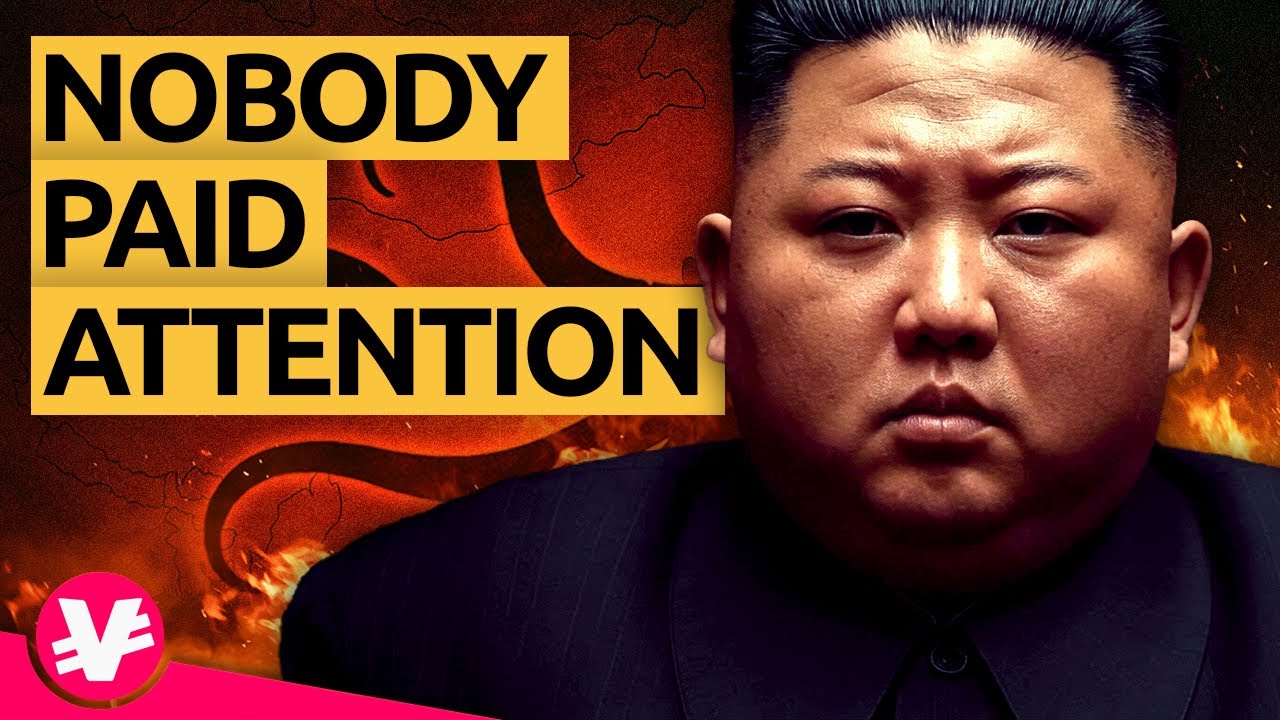
North Korea Infiltrates Economy
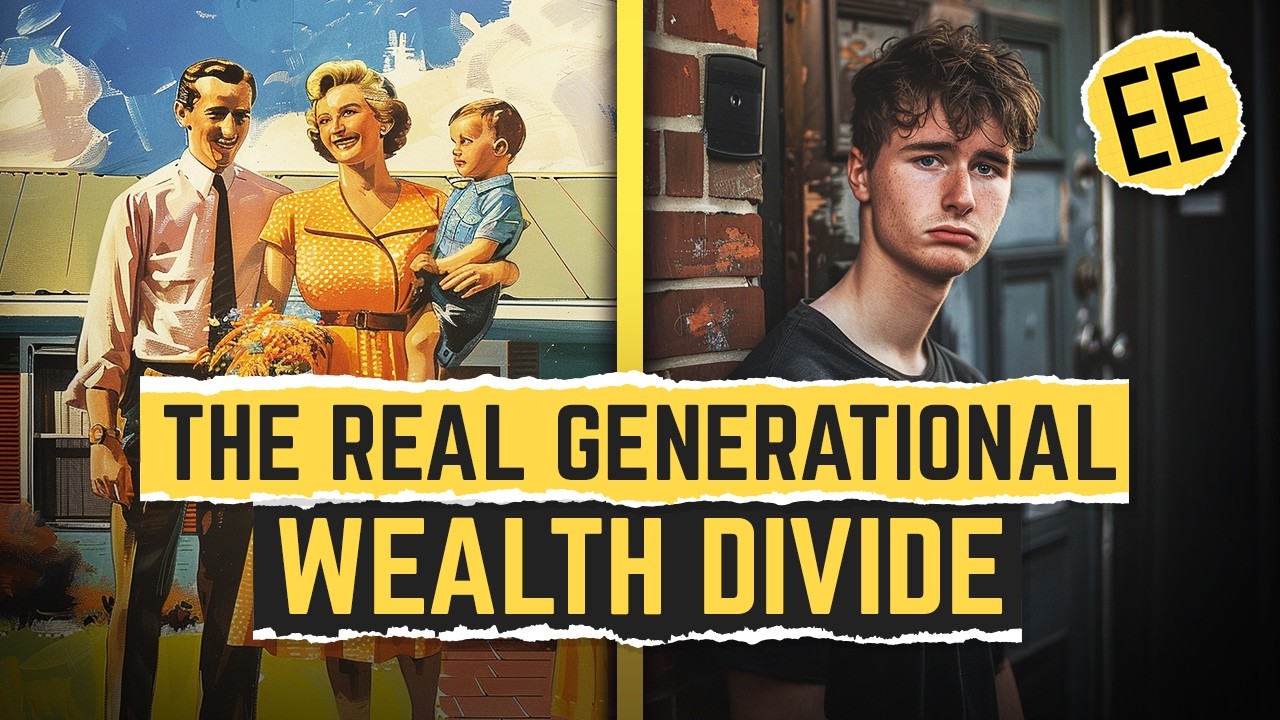
Boomers: Selfish or Scapegoats?
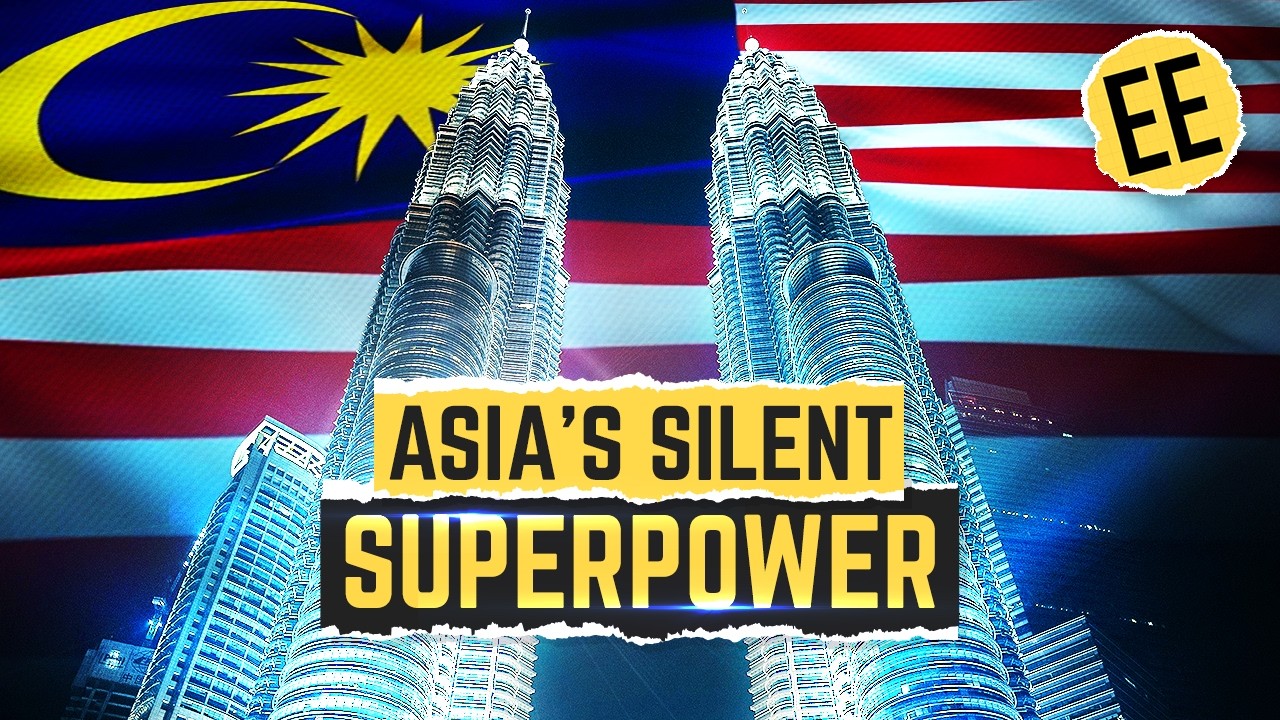
Malaysia's Strategic Ascent

Trump’s 50% tariffs on europe
Reverse Apartheid" in SA?

NYALA Digital Asset AG

Trump’s Crackdown: Lives/Risk
Russia's Population Plummets
Trump's Tariffs Batter Mexico
China vs. Putin and Kim?