
-
 Far-right Kast wins Chile election in landslide
-
What we know about Australia's Bondi Beach attack

-
 Witnesses tell of courage, panic in wake of Bondi Beach shootings
-
Chiefs out of playoffs after decade as Mahomes hurts knee

-
 Chilean hard right victory stirs memories of dictatorship
-
Volunteers patrol Thai villages as artillery rains at Cambodia border

-
 Far-right candidate Kast wins Chile presidential election
-
Father and son gunmen kill 15 at Jewish festival on Australia's Bondi Beach

-
 Rodrygo scrapes Real Madrid win at Alaves
-
Jimmy Lai, the Hong Kong media 'troublemaker' in Beijing's crosshairs

-
 Hong Kong court to deliver verdicts on media mogul Jimmy Lai
-
Bills rein in Patriots as Chiefs eliminated

-
 Chiefs eliminated from NFL playoff hunt after dominant decade
-
Far right eyes comeback as Chile presidential polls close

-
 Freed Belarus dissident Bialiatski vows to keep resisting regime from exile
-
Americans Novak and Coughlin win PGA-LPGA pairs event

-
 Zelensky, US envoys to push on with Ukraine talks in Berlin on Monday
-
Toulon edge out Bath as Saints, Bears and Quins run riot

-
 Inter Milan go top in Italy as champions Napoli stumble
-
ECOWAS threatens 'targeted sanctions' over Guinea Bissau coup

-
 World leaders express horror at Bondi beach shooting
-
Joyous Sunderland celebrate Newcastle scalp

-
 Guardiola hails Man City's 'big statement' in win at Palace
-
Lens reclaim top spot in Ligue 1 with Nice win

-
 No 'quick fix' at Spurs, says angry Frank
-
Toulon edge to victory over Bath, Saints and Quins run riot

-
 Freed Belarus protest leader Kolesnikova doesn't 'regret anything'
-
Man City smash Palace to fire title warning, Villa extend streak

-
 Arshdeep helps India beat South Africa to take T20 series lead
-
Zelensky meets US envoys in Berlin for talks on ending Ukraine war

-
 'Outstanding' Haaland stars in win over Palace to fire Man City title charge
-
Man City smash Palace to fire title warning, Villa extend winning run

-
 Napoli stumble at Udinese to leave AC Milan top in Serie A
-
No contact with Iran Nobel winner since arrest: supporters

-
 Haaland stars in win over Palace to fire Man City title charge
-
French PM urged to intervene over cow slaughter protests

-
 'Golden moment' as Messi meets Tendulkar, Chhetri on India tour
-
World leaders express horror, revulsion at Bondi beach shooting

-
 Far right eyes comeback as Chile presidential vote begins
-
Marcus Smith shines as Quins thrash Bayonne

-
 Devastation at Sydney's Bondi beach after deadly shooting
-
AC Milan held by Sassuolo in Serie A

-
 Person of interest in custody after deadly shooting at US university
-
Van Dijk wants 'leader' Salah to stay at Liverpool

-
 Zelensky in Berlin for high-stakes talks with US envoys, Europeans
-
Norway's Haugan powers to Val d'Isere slalom win

-
 Hong Kong's oldest pro-democracy party announces dissolution
-
Gunmen kill 11 at Jewish festival on Australia's Bondi Beach

-
 Zelensky says will seek US support to freeze front line at Berlin talks
-
Man who ploughed car into Liverpool football parade to be sentenced

NYSE - LSE
Next Chancellor of Germany and Trump
Germany’s political landscape shifted decisively with the federal election on 23 February 2025, propelling Friedrich Merz, leader of the Christian Democratic Union (CDU), into the position of the nation’s next chancellor. As he prepares to form a coalition government, likely with the Social Democratic Party (SPD), Merz has signalled a bold foreign policy stance: a willingness to confront United States President Donald Trump, particularly over the contentious issue of Ukraine. This emerging transatlantic tension promises to redefine Germany’s role on the global stage.
A new german Leader with a clear Vision?
Merz’s victory, securing approximately 28.5% of the vote for the CDU/CSU alliance, marks a return to conservative leadership following years of coalition governance under Angela Merkel and, more recently, Olaf Scholz. With the Alternative für Deutschland (AfD) gaining 20% and the SPD trailing at 16.5%, Merz faces the task of uniting a fragmented Bundestag. Preliminary estimates suggest the CDU/CSU will hold around 179 seats, necessitating a partnership with the SPD (104 seats) and possibly the Greens (73 seats) to achieve the 316-seat majority required.
The chancellor-in-waiting has wasted no time in outlining his priorities. While congratulating Trump on his inauguration on 20 January 2025 with a handwritten letter—a gesture of diplomatic courtesy—Merz has made it clear that he will not shy away from challenging the American president where their views diverge.
The Ukraine Flashpoint:
At the heart of this anticipated confrontation lies Ukraine. Merz has been an outspoken advocate for robust European support for Kyiv, a position he underscored during a visit to President Volodymyr Zelensky in May 2022. His criticism of Trump’s rhetoric, which he has described as echoing Russian narratives, reveals a stark divide. In a recent interview Merz expressed dismay at Trump’s apparent indifference to European security concerns, labelling it a “classic case of blaming the victim.” This stance contrasts sharply with Trump’s reported inclination to pursue rapprochement with Russia, a policy that has alarmed many in Europe.
Merz’s commitment to Ukraine is not merely rhetorical. He has pledged to bolster Germany’s defence spending and has floated the idea of a new European defence alliance, potentially as an alternative to NATO, should transatlantic cooperation falter under Trump’s leadership. Such proposals reflect a broader ambition to enhance Europe’s strategic autonomy—a move that could strain relations with Washington.
Balancing Confrontation with Cooperation:
Despite his readiness to challenge Trump, Merz is not advocating for a complete rupture. In an interview last November, he emphasised the importance of “deals” with the United States, particularly in trade and economic matters, that could benefit both sides. This pragmatic streak suggests that while Merz may clash with Trump over security policy, he seeks to maintain a functional relationship in other domains. Germany, as Europe’s economic powerhouse, cannot afford to alienate its largest transatlantic partner entirely.
Implications for Transatlantic Ties:
Merz’s leadership arrives at a pivotal moment. Trump’s return to the White House has rekindled debates about the reliability of American commitments to Europe, especially within NATO. By positioning Germany as a counterweight to Trump’s policies, Merz could catalyse a shift towards a more assertive European Union—one less dependent on U.S. direction. His plans to increase defence collaboration among EU nations signal a long-term vision that may outlast transatlantic spats.
Yet, this approach carries risks. A public confrontation with Trump could exacerbate divisions within NATO and embolden critics of European unity, such as the AfD, which has capitalised on anti-establishment sentiment. Merz must navigate these domestic and international pressures with care.
Conclusion:
As Friedrich Merz prepares to assume the chancellorship, his intention to confront Donald Trump over Ukraine heralds a new chapter in German foreign policy. Rooted in a commitment to European security and independence, his stance promises to test the resilience of transatlantic relations. Whether this leads to a lasting realignment or a pragmatic compromise remains to be seen, but one thing is certain: Germany’s next chancellor is poised to make his mark on the world stage.
A new german Leader with a clear Vision?
Merz’s victory, securing approximately 28.5% of the vote for the CDU/CSU alliance, marks a return to conservative leadership following years of coalition governance under Angela Merkel and, more recently, Olaf Scholz. With the Alternative für Deutschland (AfD) gaining 20% and the SPD trailing at 16.5%, Merz faces the task of uniting a fragmented Bundestag. Preliminary estimates suggest the CDU/CSU will hold around 179 seats, necessitating a partnership with the SPD (104 seats) and possibly the Greens (73 seats) to achieve the 316-seat majority required.
The chancellor-in-waiting has wasted no time in outlining his priorities. While congratulating Trump on his inauguration on 20 January 2025 with a handwritten letter—a gesture of diplomatic courtesy—Merz has made it clear that he will not shy away from challenging the American president where their views diverge.
The Ukraine Flashpoint:
At the heart of this anticipated confrontation lies Ukraine. Merz has been an outspoken advocate for robust European support for Kyiv, a position he underscored during a visit to President Volodymyr Zelensky in May 2022. His criticism of Trump’s rhetoric, which he has described as echoing Russian narratives, reveals a stark divide. In a recent interview Merz expressed dismay at Trump’s apparent indifference to European security concerns, labelling it a “classic case of blaming the victim.” This stance contrasts sharply with Trump’s reported inclination to pursue rapprochement with Russia, a policy that has alarmed many in Europe.
Merz’s commitment to Ukraine is not merely rhetorical. He has pledged to bolster Germany’s defence spending and has floated the idea of a new European defence alliance, potentially as an alternative to NATO, should transatlantic cooperation falter under Trump’s leadership. Such proposals reflect a broader ambition to enhance Europe’s strategic autonomy—a move that could strain relations with Washington.
Balancing Confrontation with Cooperation:
Despite his readiness to challenge Trump, Merz is not advocating for a complete rupture. In an interview last November, he emphasised the importance of “deals” with the United States, particularly in trade and economic matters, that could benefit both sides. This pragmatic streak suggests that while Merz may clash with Trump over security policy, he seeks to maintain a functional relationship in other domains. Germany, as Europe’s economic powerhouse, cannot afford to alienate its largest transatlantic partner entirely.
Implications for Transatlantic Ties:
Merz’s leadership arrives at a pivotal moment. Trump’s return to the White House has rekindled debates about the reliability of American commitments to Europe, especially within NATO. By positioning Germany as a counterweight to Trump’s policies, Merz could catalyse a shift towards a more assertive European Union—one less dependent on U.S. direction. His plans to increase defence collaboration among EU nations signal a long-term vision that may outlast transatlantic spats.
Yet, this approach carries risks. A public confrontation with Trump could exacerbate divisions within NATO and embolden critics of European unity, such as the AfD, which has capitalised on anti-establishment sentiment. Merz must navigate these domestic and international pressures with care.
Conclusion:
As Friedrich Merz prepares to assume the chancellorship, his intention to confront Donald Trump over Ukraine heralds a new chapter in German foreign policy. Rooted in a commitment to European security and independence, his stance promises to test the resilience of transatlantic relations. Whether this leads to a lasting realignment or a pragmatic compromise remains to be seen, but one thing is certain: Germany’s next chancellor is poised to make his mark on the world stage.
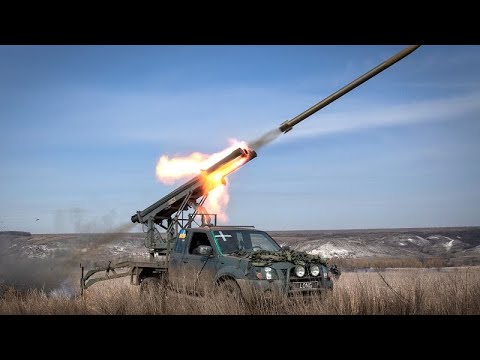
ICC demands arrest of Russian officers

Europe and its "big" goals for clean hydrogen

Putin and the murder of Alexei Navalny (47†)

Measles: UK authorities call for vaccinate children
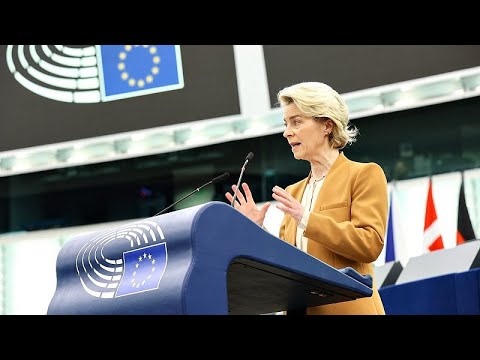
EU: Von der Leyen withdraws controversial pesticide law
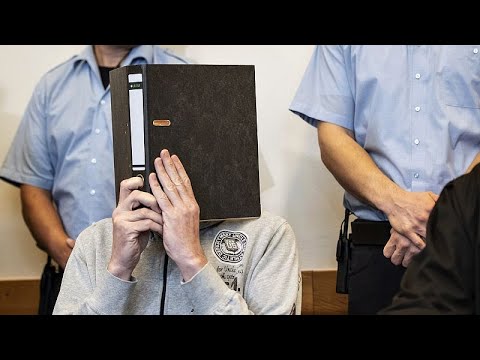
EU: Prison for "paedophilia manuals" and child abuse forgeries

EU: 90% cut of all greenhouse gas emissions by 2040?

How is climate change spreading disease?
Business: Is it important to speak multiple languages?
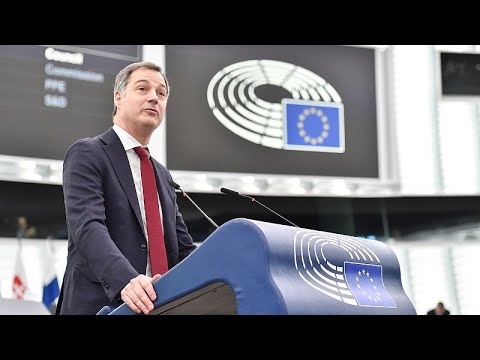
Trump's return could leave Europe 'on its own'

NASA and Lockheed partner present X-59 Quesst



