-
 Man City smash Palace to fire title warning, Villa extend streak
-
Arshdeep helps India beat South Africa to take T20 series lead

-
 Zelensky meets US envoys in Berlin for talks on ending Ukraine war
-
'Outstanding' Haaland stars in win over Palace to fire Man City title charge

-
 Man City smash Palace to fire title warning, Villa extend winning run
-
Napoli stumble at Udinese to leave AC Milan top in Serie A

-
 No contact with Iran Nobel winner since arrest: supporters
-
Haaland stars in win over Palace to fire Man City title charge

-
 French PM urged to intervene over cow slaughter protests
-
'Golden moment' as Messi meets Tendulkar, Chhetri on India tour

-
 World leaders express horror, revulsion at Bondi beach shooting
-
Far right eyes comeback as Chile presidential vote begins

-
 Marcus Smith shines as Quins thrash Bayonne
-
Devastation at Sydney's Bondi beach after deadly shooting

-
 AC Milan held by Sassuolo in Serie A
-
Person of interest in custody after deadly shooting at US university

-
 Van Dijk wants 'leader' Salah to stay at Liverpool
-
Zelensky in Berlin for high-stakes talks with US envoys, Europeans

-
 Norway's Haugan powers to Val d'Isere slalom win
-
Hong Kong's oldest pro-democracy party announces dissolution

-
 Gunmen kill 11 at Jewish festival on Australia's Bondi Beach
-
Zelensky says will seek US support to freeze front line at Berlin talks

-
 Man who ploughed car into Liverpool football parade to be sentenced
-
Wonder bunker shot gives Schaper first European Tour victory

-
 Chile far right eyes comeback as presidential vote opens
-
Gunmen kill 11 during Jewish event at Sydney's Bondi Beach

-
 Robinson wins super-G, Vonn 4th as returning Shiffrin fails to finish
-
France's Bardella slams 'hypocrisy' over return of brothels

-
 Ka Ying Rising hits sweet 16 as Romantic Warrior makes Hong Kong history
-
Shooting at Australia's Bondi Beach kills nine

-
 Meillard leads after first run in Val d'Isere slalom
-
Thailand confirms first civilian killed in week of Cambodia fighting

-
 England's Ashes hopes hang by a thread as 'Bazball' backfires
-
Police hunt gunman who killed two at US university

-
 Wemby shines on comeback as Spurs stun Thunder, Knicks down Magic
-
McCullum admits England have been 'nowhere near' their best

-
 Wembanyama stars as Spurs stun Thunder to reach NBA Cup final
-
Cambodia-Thailand border clashes enter second week

-
 Gunman kills two, wounds nine at US university
-
Green says no complacency as Australia aim to seal Ashes in Adelaide

-
 Islamabad puts drivers on notice as smog crisis worsens
-
Higa becomes first Japanese golfer to win Asian Tour order of merit

-
 Tokyo-bound United plane returns to Washington after engine fails
-
Deja vu? Trump accused of economic denial and physical decline

-
 Vietnam's 'Sorrow of War' sells out after viral controversy
-
China's smaller manufacturers look to catch the automation wave

-
 For children of deported parents, lonely journeys to a new home
-
Hungary winemakers fear disease may 'wipe out' industry

-
 Chile picks new president with far right candidate the front-runner
-
German defence giants battle over military spending ramp-up

NYSE - LSE
Russia's "Alliance" in the Balkans is sinking
Over the past decade, Russia has prided itself on maintaining strong relationships with several Balkan nations. This bond, often rooted in shared Slavic heritage, Orthodox Christian traditions, and historical ties, was once perceived as a strategic platform for Moscow to expand its influence in Southeast Europe. Yet recent developments suggest that Russia’s alliance in the Balkans is beginning to unravel, leaving the Kremlin facing new diplomatic challenges in a region long considered sympathetic to its interests.
Eroding Political Influence
Serbia has historically been Russia’s most steadfast partner in the Balkans, buoyed by a sense of cultural kinship and mutual geopolitical interests. However, Belgrade has gradually moved closer to the European Union, seeking membership and deepening economic cooperation with Western nations. While Serbia has not openly broken away from Russia, analysts point to its growing emphasis on European integration as a signal that Belgrade may be distancing itself from Moscow’s orbit.
Montenegro, once firmly in Russia’s sphere of influence, joined NATO in 2017. This move was seen by many as a major blow to the Kremlin’s strategic goals in Southeast Europe, undermining the perception that the region was decidedly pro-Russian. The country’s pivot toward Western defense structures continues to stand as a stark reminder that Kremlin-friendly governments can rapidly realign when broader interests are at stake.
Economic Factors and Energy Ties
One of Moscow’s most effective levers of power in the Balkans had been its role as a key energy supplier. Gas agreements and oil contracts bolstered Russia’s foothold, offering local governments reliable—if sometimes politically fraught—access to affordable energy. Yet Europe’s ongoing efforts to diversify its energy supply and reduce dependence on Russian resources have started to weaken Moscow’s sway.
In Serbia, plans to link up with alternative pipelines from neighboring countries could mitigate Russia’s longstanding energy dominance. Meanwhile, Bosnia and Herzegovina, another state traditionally viewed as within Russia’s sphere, is actively discussing more diversified energy routes. These shifts dilute Russian economic clout and further complicate Moscow’s capacity to maintain a strong presence in the region.
Shifting Public Opinion
While Russia has long relied on cultural diplomacy to foster goodwill among Balkan citizens, recent surveys suggest a notable shift in public sentiment. The economic and social benefits of closer ties with the European Union—such as access to scholarships, visa-free travel, and foreign direct investment—have made many Balkan citizens view Brussels as a more appealing partner than Moscow.
Moreover, Russia’s military actions on other fronts have prompted anxiety among certain Balkan populations who fear that aligning with Moscow could strain relationships with the West and hinder their own EU accession hopes. In societies where European integration is a near-universal aspiration, it is becoming increasingly challenging for pro-Russian narratives to maintain broad popular support.
Geopolitical Ramifications
Russia’s diminishing influence in the Balkans highlights a broader global trend: competing blocs vying for regional sway, with the EU, NATO, and other Western entities making decisive inroads. For the Kremlin, losing ground in Southeast Europe carries political and strategic consequences that ripple beyond the region. By the same token, Balkan states searching for reliable alliances may shift even more decisively toward Western institutions.
Diplomatic experts note that unless Russia reevaluates its strategy—perhaps by offering new forms of economic or security cooperation—it risks being sidelined in a part of Europe it once considered a reliable staging ground for extending its influence.
Conclusion
As Serbia edges closer to EU membership, Montenegro cements its position in NATO, and other Balkan countries explore alternative partnerships, the solid ties that once bound the region to Moscow are fraying. Historical and cultural connections remain, but for many Balkan governments, the imperatives of economic development and European integration are taking precedence over maintaining a robust alliance with Russia. Unless Moscow adapts its approach, it may find its influence in Southeast Europe reduced to a shadow of its former strength, marking the end of an era in Balkan geopolitics.

Did you know everything about panda bears?

Ukraine has a future as a glorious heroic state!

To learn: Chinese school bought an Airbus A320
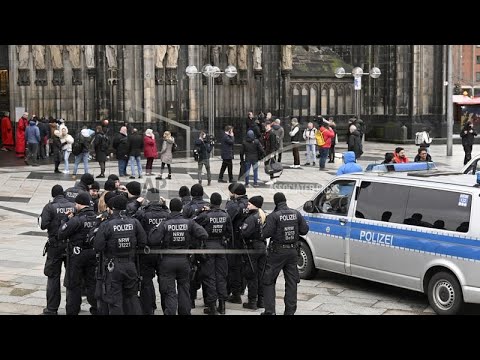
Countries across Europe are tightening security measures
Five elections in 2024 that will shape Europe!
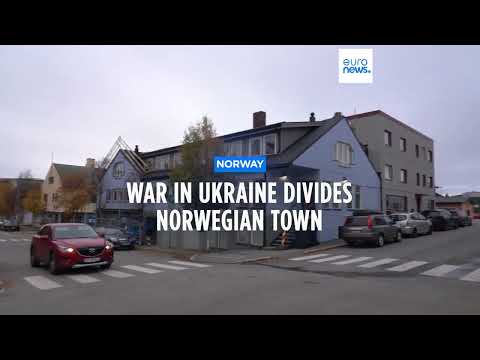
Norway: Russians sceptical about Russia's terror against Ukraine

Nepal: Crowd demands reinstatement of the monarchy
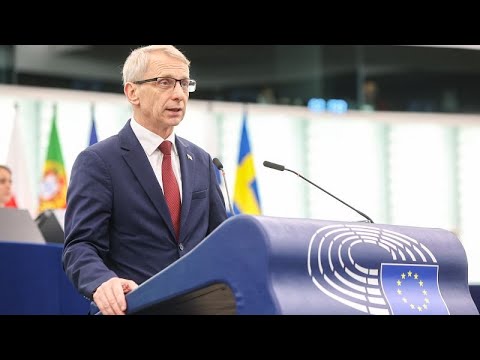
Europe: Is Bulgaria "hostage" to a Schengen debate?

EU: Netherlands causes headaches in Brussels

Israel in the fight against the terror scum of Hamas
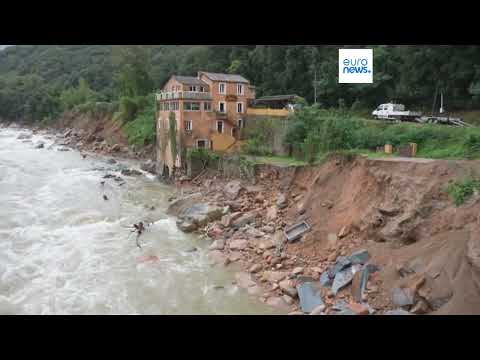
Italy: Storm Ciarán brings disastrous record rainfall