-
 Wemby shines on comeback as Spurs stun Thunder, Knicks down Magic
-
McCullum admits England have been 'nowhere near' their best

-
 Wembanyama stars as Spurs stun Thunder to reach NBA Cup final
-
Cambodia-Thailand border clashes enter second week

-
 Gunman kills two, wounds nine at US university
-
Green says no complacency as Australia aim to seal Ashes in Adelaide

-
 Islamabad puts drivers on notice as smog crisis worsens
-
Higa becomes first Japanese golfer to win Asian Tour order of merit

-
 Tokyo-bound United plane returns to Washington after engine fails
-
Deja vu? Trump accused of economic denial and physical decline

-
 Vietnam's 'Sorrow of War' sells out after viral controversy
-
China's smaller manufacturers look to catch the automation wave

-
 For children of deported parents, lonely journeys to a new home
-
Hungary winemakers fear disease may 'wipe out' industry

-
 Chile picks new president with far right candidate the front-runner
-
German defence giants battle over military spending ramp-up

-
 Knicks reach NBA Cup final as Brunson sinks Magic
-
Quarterback Mendoza wins Heisman as US top college football player

-
 Knicks reach NBA Cup final with 132-120 win over Magic
-
Campaigning starts in Central African Republic quadruple election

-
 NBA Cavs center Mobley out 2-4 weeks with left calf strain
-
Tokyo-bound United flight returns to Dulles airport after engine fails

-
 Hawks guard Young poised to resume practice after knee sprain
-
Salah back in Liverpool fold as Arsenal grab last-gasp win

-
 Raphinha extends Barca's Liga lead, Atletico bounce back
-
Glasgow comeback upends Toulouse on Dupont's first start since injury

-
 Two own goals save Arsenal blushes against Wolves
-
'Quality' teens Ndjantou, Mbaye star as PSG beat Metz to go top

-
 Trump vows revenge after troops in Syria killed in alleged IS ambush
-
Maresca bemoans 'worst 48 hours at Chelsea' after lack of support

-
 Teenage pair Ndjantou, Mbaye star as PSG beat Metz to go top
-
Drone strike in southern Sudan kills 6 UN peacekeepers

-
 Crime wave propels hard-right candidate toward Chilean presidency
-
Terrific Terrier backheel helps lift Leverkusen back to fourth

-
 'Magic' Jalibert guides Bordeaux-Begles past Scarlets
-
Teenage pair Ndjantou and Mbaye star as PSG beat Metz to go top

-
 Anglo-French star Jane Birkin gets name on bridge over Paris canal
-
US troops in Syria killed in alleged IS ambush

-
 Jalibert masterclass guides Bordeaux-Begles past Scarlets
-
M23 marches on in east DR Congo as US vows action against Rwanda

-
 Raphinha double stretches Barca's Liga lead in Osasuna win
-
Terrific Terrier returns Leverkusen to fourth

-
 Colts activate 44-year-old Rivers for NFL game at Seattle
-
US troops in Syria killed in IS ambush attack

-
 Liverpool's Slot says 'no issue to resolve' with Salah after outburst
-
'Stop the slaughter': French farmers block roads over cow disease cull

-
 Stormers see off La Rochelle, Sale stun Clermont in Champions Cup
-
Maresca hails Palmer as Chelsea return to winning ways against Everton

-
 Hungarian protesters demand Orban quits over abuse cases
-
Belarus frees protest leader Kolesnikova, Nobel winner Bialiatski

NYSE - LSE
Next Generation EU a scam?
The Next Generation EU (NGEU) fund, an unprecedented European Union economic recovery package, was launched in 2020 to help member states recover from the economic and social impact of the COVID 19 pandemic. With a volume of €750 billion, divided into grants and loans, NGEU aims to make Europe greener, more digital and more resilient (European Commission, Recovery plan for Europe). However, the implementation and effectiveness of the programme have been met with controversy and criticism, leading some to call it the EU's ‘biggest scam’. This report analyses the reasons for this criticism, based on fraud cases, political tensions and economic doubts.
Fraud and misuse of funds
A key point of criticism is the high number of fraud cases affecting the programme. In April 2024, 22 people were arrested in Italy, Austria, Romania and Slovakia on charges of embezzling €600 million from the Italian National Recovery and Resilience Plan (NRRP), which is part of NGEU. The criminals used a network of accountants, service providers and notaries to fraudulently obtain non-repayable funds and transfer the money abroad.
Another case concerns the procurement of power generators for Ukraine, which was managed by the Polish government agency for strategic reserves (RARS). The European Anti-Fraud Office (OLAF) recommended the recovery of over €91 million due to serious irregularities, including inflated prices and a lack of competition (European Commission, OLAF completes investigation into suspected serious irregularities). These cases are not isolated: in 2022, OLAF recorded a 7% increase in fraud cases, with irregularities worth €1.77 billion. At the end of 2024, the European Public Prosecutor's Office (EPPO) was handling 311 active cases with an estimated €2.8 billion in damages to the EU budget, mostly related to NGEU (Balkan Insight, EU Fraud Keeps Rising as Prosecutors Investigate 38% More Cases in 2024).
Political controversies and delays
Besides the fraud cases, there were political tensions that delayed the implementation of NGEU. Poland and Hungary initially blocked the adoption of the fund due to concerns about the rule of law conditions. This led to delays in the disbursement of funds and political tensions within the EU (Wikipedia, Next Generation EU). Article 7 proceedings were opened against both countries, but their mutual support prevented sanctions, complicating the implementation of the fund (Wikipedia, Next Generation EU). These controversies show that NGEU was not only a technical financial instrument but also a political battleground, undermining confidence in the programme.
Scepticism from economists and political actors
Some economists and political actors express scepticism about the effectiveness and purpose of NGEU. A study from Comparative European Politics (2022) argues that the allocation of funds was based on existing economic and political vulnerabilities rather than the direct consequences of the pandemic. Countries with strong Euroscepticism and structural problems received the most funding per capita, regardless of the severity of the health crisis (Comparative European Politics, Voices from the past: economic and political vulnerabilities in the making of next generation EU). This could indicate that NGEU is more of a tool for stabilising weak economies, which some may see as a misuse of funds.
In Italy, the main recipient, there are doubts about the government's ability to use the funds efficiently. Although the government is celebrating the receipt of the fifth tranche of NGEU, the challenge remains of actually spending the funds and implementing the planned projects (Euractiv, Italy and the challenge of spending European funds). These difficulties underline the concern that NGEU may not deliver the promised results.

How important is sustainable development?
Berlin: EU-Summit of western Balkan heads of state
Putin's War Will Go Bankrupt if the Oil Prices Drop

Germany: The fight against economic migrants
Polish PM and the danger of asylum seekers
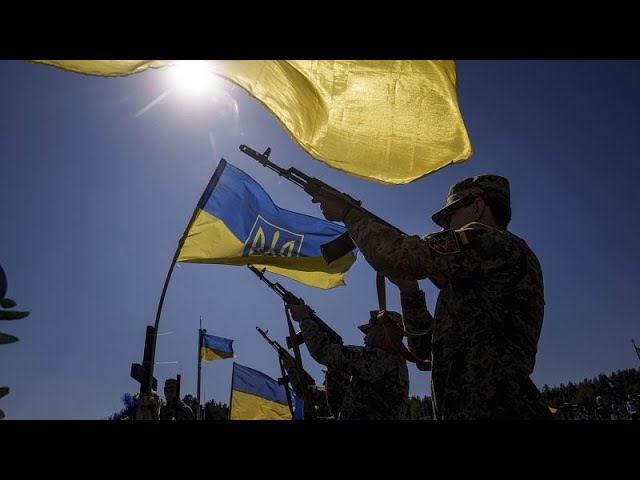
Ukraine: Recruiters searched Kyiv venues

EU: Austrian elections shake Establishment

Terrorist state Iran: ‘We are ready to attack Israel again’

EU: Greenpeace warns of dying farms

EU: Tariffs on all Chinese electric Cars
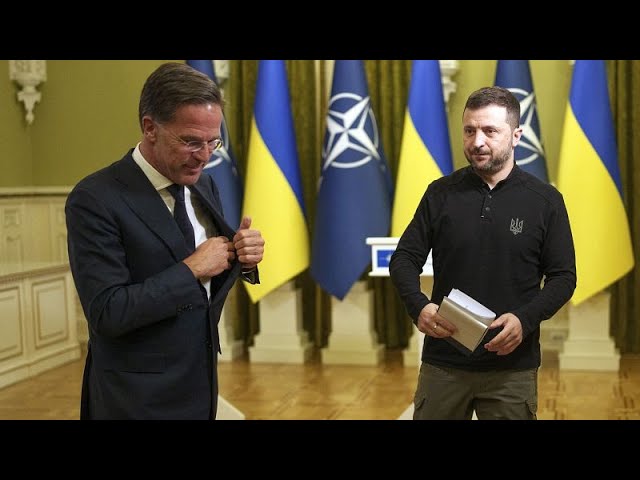
Zelenskyy: ‘What worked in Israel work also in Ukraine’