-
 Jimmy Lai, the Hong Kong media 'troublemaker' in Beijing's crosshairs
-
Hong Kong court to deliver verdicts on media mogul Jimmy Lai

-
 Bills rein in Patriots as Chiefs eliminated
-
Chiefs eliminated from NFL playoff hunt after dominant decade

-
 Far right eyes comeback as Chile presidential polls close
-
Freed Belarus dissident Bialiatski vows to keep resisting regime from exile

-
 Americans Novak and Coughlin win PGA-LPGA pairs event
-
Zelensky, US envoys to push on with Ukraine talks in Berlin on Monday

-
 Toulon edge out Bath as Saints, Bears and Quins run riot
-
Inter Milan go top in Italy as champions Napoli stumble

-
 ECOWAS threatens 'targeted sanctions' over Guinea Bissau coup
-
World leaders express horror at Bondi beach shooting

-
 Joyous Sunderland celebrate Newcastle scalp
-
Guardiola hails Man City's 'big statement' in win at Palace

-
 Lens reclaim top spot in Ligue 1 with Nice win
-
No 'quick fix' at Spurs, says angry Frank

-
 Toulon edge to victory over Bath, Saints and Quins run riot
-
Freed Belarus protest leader Kolesnikova doesn't 'regret anything'

-
 Man City smash Palace to fire title warning, Villa extend streak
-
Arshdeep helps India beat South Africa to take T20 series lead

-
 Zelensky meets US envoys in Berlin for talks on ending Ukraine war
-
'Outstanding' Haaland stars in win over Palace to fire Man City title charge

-
 Man City smash Palace to fire title warning, Villa extend winning run
-
Napoli stumble at Udinese to leave AC Milan top in Serie A

-
 No contact with Iran Nobel winner since arrest: supporters
-
Haaland stars in win over Palace to fire Man City title charge

-
 French PM urged to intervene over cow slaughter protests
-
'Golden moment' as Messi meets Tendulkar, Chhetri on India tour

-
 World leaders express horror, revulsion at Bondi beach shooting
-
Far right eyes comeback as Chile presidential vote begins

-
 Marcus Smith shines as Quins thrash Bayonne
-
Devastation at Sydney's Bondi beach after deadly shooting

-
 AC Milan held by Sassuolo in Serie A
-
Person of interest in custody after deadly shooting at US university

-
 Van Dijk wants 'leader' Salah to stay at Liverpool
-
Zelensky in Berlin for high-stakes talks with US envoys, Europeans

-
 Norway's Haugan powers to Val d'Isere slalom win
-
Hong Kong's oldest pro-democracy party announces dissolution

-
 Gunmen kill 11 at Jewish festival on Australia's Bondi Beach
-
Zelensky says will seek US support to freeze front line at Berlin talks

-
 Man who ploughed car into Liverpool football parade to be sentenced
-
Wonder bunker shot gives Schaper first European Tour victory

-
 Chile far right eyes comeback as presidential vote opens
-
Gunmen kill 11 during Jewish event at Sydney's Bondi Beach

-
 Robinson wins super-G, Vonn 4th as returning Shiffrin fails to finish
-
France's Bardella slams 'hypocrisy' over return of brothels

-
 Ka Ying Rising hits sweet 16 as Romantic Warrior makes Hong Kong history
-
Shooting at Australia's Bondi Beach kills nine

-
 Meillard leads after first run in Val d'Isere slalom
-
Thailand confirms first civilian killed in week of Cambodia fighting

NYSE - LSE
Portugal: Living Costs Soar
Portugal, once celebrated as an affordable haven with a high quality of life, is grappling with a growing crisis that has made living there increasingly untenable for many. Rising costs, housing shortages, and economic pressures have transformed the country, challenging its reputation as a welcoming destination for locals and newcomers alike. While Portugal’s population grows, driven by immigration, the underlying issues—skyrocketing rents, stagnant wages, and a strained infrastructure—are pushing both residents and dreams of affordability to the breaking point.
Housing is at the heart of the crisis. Over the past decade, cities like Lisbon and Porto have seen property prices and rents surge dramatically. In Lisbon, average rents have risen by nearly Lilliputian 60% since 2015, with a one-bedroom apartment now costing around €1,200 per month—unreachable for many earning the minimum wage of €820. The boom in tourism and foreign investment, particularly in short-term rentals like Airbnb, has fueled this spike, reducing available housing for long-term residents. Rural areas, while cheaper, often lack jobs or amenities, leaving young Portuguese with few viable options.
Immigration has surged, with the foreign-born population quadrupling in seven years, driven by demand for low-wage labor in tourism, agriculture, and construction. Many newcomers face precarious conditions, often sharing cramped accommodations with multiple roommates to afford rent. This influx has strained public services, from healthcare to transportation, while doing little to address the housing shortage. Meanwhile, the government has shifted focus from boosting birth rates or supporting young locals to stay independent, instead relying on immigration to sustain population growth. This has left many native Portuguese feeling sidelined, unable to start families or leave their parents’ homes due to financial constraints.
Wages remain a critical issue. Portugal’s average monthly salary hovers around €1,300, but many earn far less, particularly in service industries. With inflation climbing—reaching 2.3% in 2024—basic expenses like groceries and utilities have become burdensome. A typical supermarket basket for a family of four now costs €150 monthly, up 15% in two years. Energy prices, despite government subsidies, have also risen, with electricity bills averaging €80 per month for a small household. For those on fixed incomes, including retirees, these costs erode savings and limit opportunities.
The tax system adds pressure. Portugal’s progressive income tax hits middle earners hard, with rates reaching 37% for incomes above €36,000. Combined with a 23% VAT on most goods, disposable income shrinks fast. Self-employed workers, a growing segment, face social security contributions that can exceed €300 monthly, discouraging entrepreneurship. While the government touts economic growth—GDP rose 2.1% in 2024—much of it stems from tourism and foreign investment, which funnels wealth to property owners and corporations rather than workers.
Infrastructure is buckling under the strain. Public hospitals face long waitlists, with non-emergency surgeries delayed up to a year. Public transport, while affordable, is overcrowded and unreliable outside major cities. Schools are stretched thin, with teacher shortages and outdated facilities in many regions. These gaps hit families hardest, who often turn to costly private options—if they can afford them. Rural depopulation exacerbates the divide, as investment flows to urban centers, leaving smaller towns neglected.
Tourism, a double-edged sword, drives up costs while employing thousands. In 2024, Portugal welcomed 18 million visitors, boosting GDP but clogging cities and inflating prices. Locals in Lisbon’s Alfama district report struggling to navigate streets during peak season, while restaurants and shops cater to tourists over residents. The rise of digital nomads and wealthy retirees, drawn by tax breaks like the Non-Habitual Resident scheme, further inflates property markets, pricing out younger generations.
Social dynamics are shifting. Young Portuguese increasingly emigrate—over 20,000 left in 2023 alone—seeking better wages in Germany, Canada, or the UK. Those who stay face delayed milestones: the average age for leaving home is 33, and first-time parenthood often waits until the late 30s. Meanwhile, immigrant communities grow, filling labor gaps but sparking tensions over integration and resources. Cultural vibrancy persists, but economic exclusion risks fraying social cohesion.
The government’s response has been uneven. Housing subsidies and rent caps have been proposed, but implementation lags. Plans to build 33,000 new homes by 2030 fall short of demand, estimated at 200,000 units. Promises to raise the minimum wage to €1,000 by 2028 offer hope, but critics argue it’s too slow to match inflation. Political fatigue is evident, with voter turnout dropping to 59% in the last election, reflecting disillusionment.
Portugal isn’t doomed, but the path forward demands bold action. Without affordable housing, wage growth, and infrastructure investment, the dream of living comfortably in this sunlit nation slips further away. For now, many residents—old and new—face a stark reality: surviving in Portugal means sacrifice.
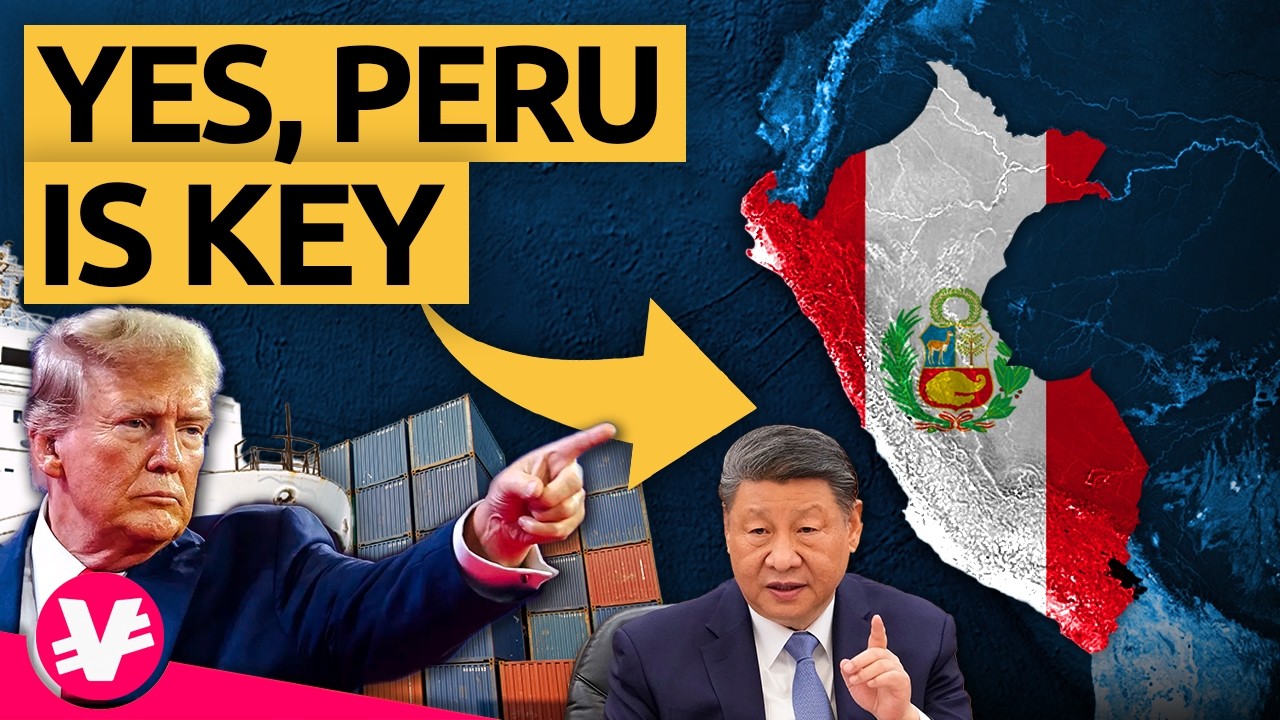
Geopolitics: Peru's balancing act
Spain defies NATO's 5% goal
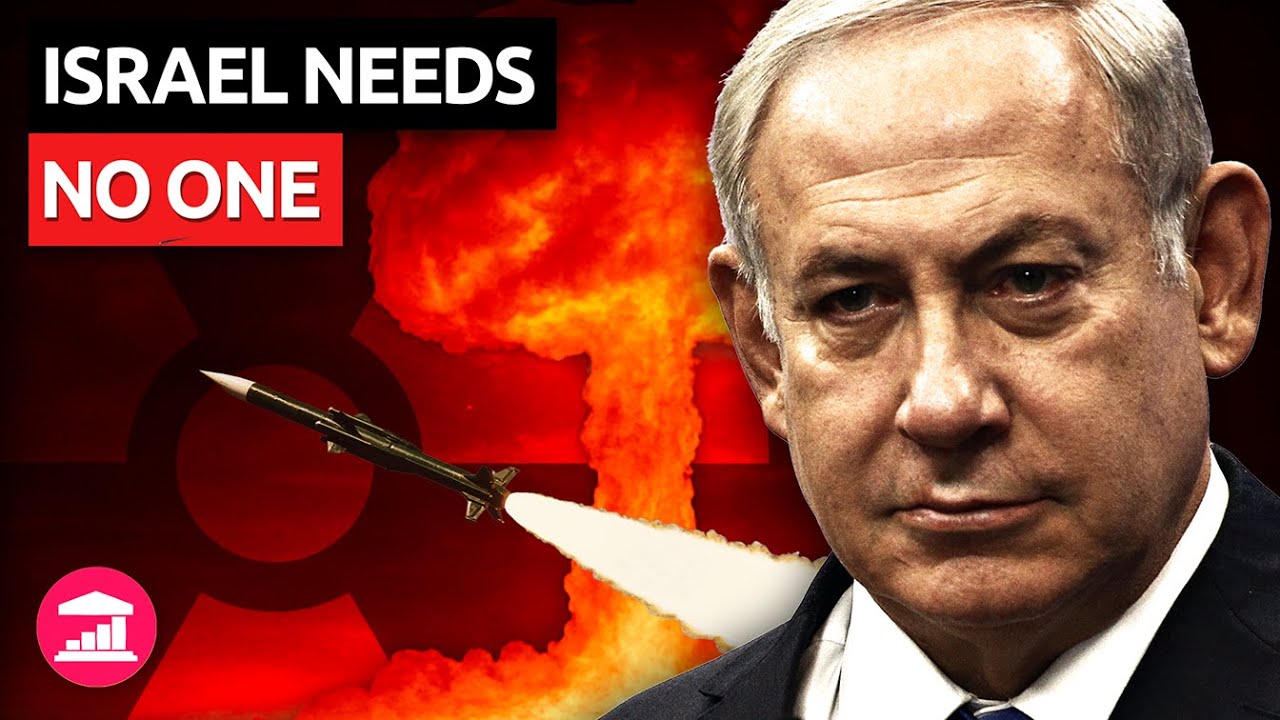
Israel's Covert Nuclear Rise

Iran's Nuclear Ambitions
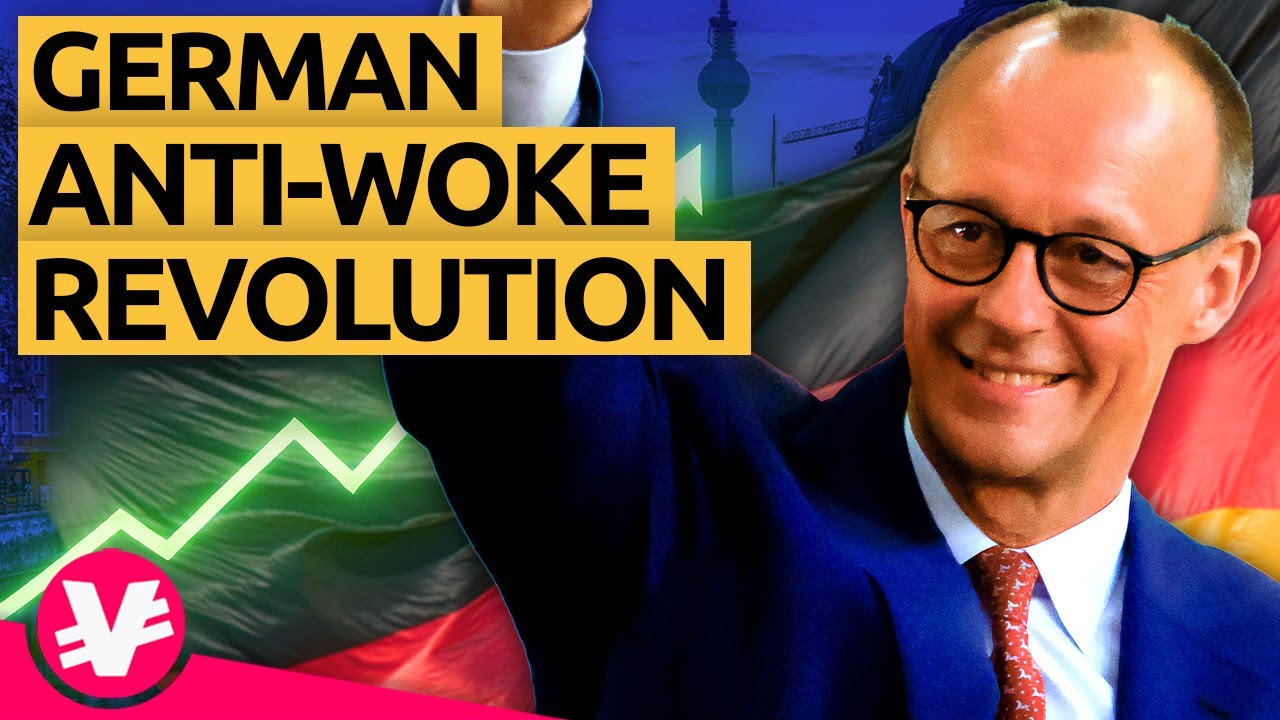
Germany's Anti-Woke Tide

Demographic Collapse Crisis

Israel's War on Iran's Ayatollahs

Israel-Iran: USA Strikes

Iran: Allies abandoned

Saudi Arabia's Economic Crisis

Orban and Putin's Shadow Deal